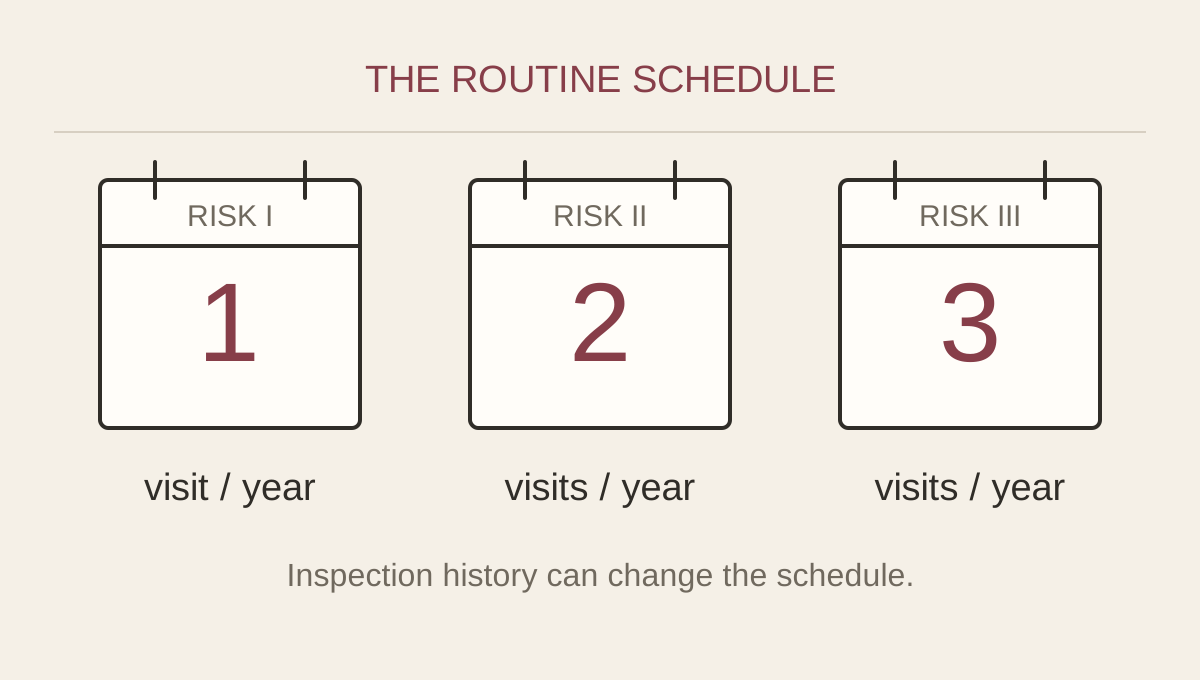
The routine schedule
Georgia bases routine inspections on the establishment’s menu, food-preparation processes and previous food-safety history. Its risk categories describe the operation; they are separate from the A, B, C or U grade earned at an inspection.
| Risk type | Operation described in the rule | Visits per year |
|---|---|---|
| I | Does not cook food; may reheat commercially precooked foods. | 1 |
| II | Cooks food and/or holds and reheats food prepared on site. | 2 |
| III | Has a required, conforming Hazard Analysis and Critical Control Point (HACCP) plan. | 3 |
For Risk III, one visit is scheduled to meet with the certified food-safety manager. The baseline schedule applies to establishments maintaining an A after their first routine inspection, subject to the adjustments below.
Source: Georgia food-service rules, 511-6-1-.10(2)(a) and (b)4.
Why the schedule changes
After three consecutive routine A grades, the health authority may reduce a Risk II establishment’s routine frequency to once a year and a Risk III establishment’s to twice a year. That reduction is discretionary. A later B, C or U ends the reduced schedule, and the authority can require more frequent inspections.
A C or U adds at least one routine inspection within twelve months. A U also requires a follow-up within ten days. Those visits serve different purposes, so several records close together do not necessarily represent a change to the ordinary yearly schedule.
Source: Georgia food-service rules, 511-6-1-.10(2)(b)5–7 and (c).
Read the purpose field on each report. Our guide to what happens after a failed inspection explains the follow-up process and how to check a later result.
New restaurant inspections
Georgia provides for construction inspections of newly built or extensively remodeled establishments and an initial inspection before a food permit is issued. The first routine inspection occurs within sixty days after opening and starts the establishment’s compliance history under these rules.
Source: Georgia food-service rules, 511-6-1-.10(2)(b)1–3.
For a new restaurant, distinguish the initial visit from a later routine inspection. The document’s purpose and date help explain what stage you have found. A business’s opening announcement or a map listing does not supply an inspection result.
Making sense of an older date
An older score should prompt a source check. On its own, the date cannot tell you the establishment’s risk type, whether a reduced schedule was granted or whether a newer record is missing from our collection. Do not calculate an overdue inspection from an incomplete public history.
- Open the exact location in the Fulton County lookup.
- Compare the dated routine and follow-up records that are available.
- Open the official source to look for a newer inspection or addendum.
- Ask the county environmental health office about records you cannot locate.
Georgia DPH’s county-contact page directs local inspection questions and record requests to county offices. The source-check date on our lookup describes a successful data update; the inspection date describes the inspector’s visit. Updating our site does not make an older visit a new inspection.