

Public records
A Beltline funding proposal goes beyond 50%—to all future available deposits
The plan would reserve money exclusively for redevelopment between Murphys Crossing and Blandtown, while protecting existing obligations. A council committee takes it up Oct. 27.
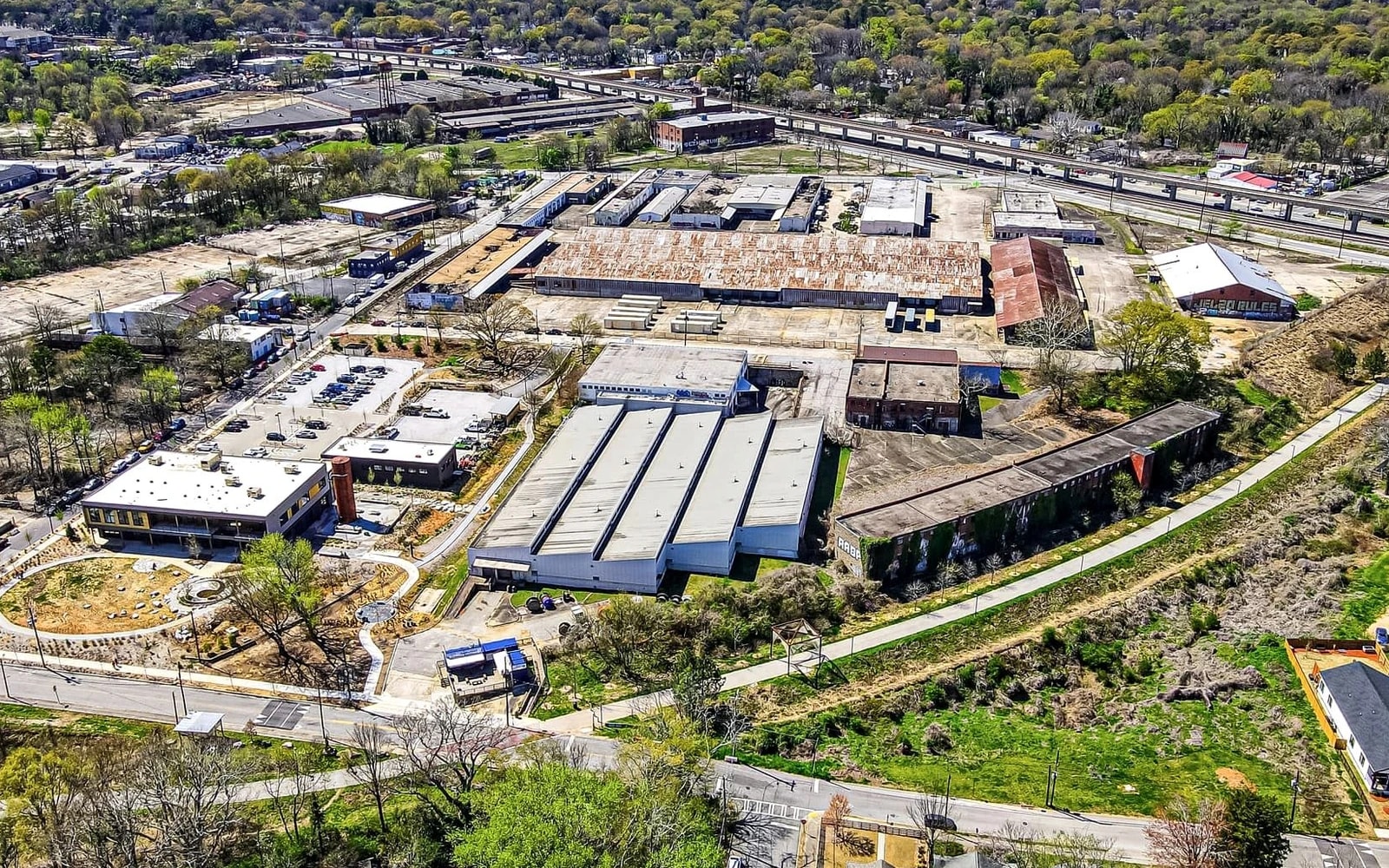
Half the available balance, then all available future deposits: that is the funding formula four Atlanta council members are proposing for redevelopment between Murphys Crossing and Blandtown.[1][2]
Ordinance 26-O-1592 would reserve 50% of the Atlanta BeltLine Tax Allocation District’s available funds as of Jan. 1, 2027, exclusively for eligible projects in that corridor. After that date, every available deposit would be reserved for the same area—not just half.[2]
The crucial qualifier is “available.” The proposal excludes money needed for debt service, bond covenants, existing contracts, intergovernmental agreements and other legally binding obligations or restrictions. It would not redirect every dollar entering the district regardless of prior commitments.[2]
Sponsors Byron D. Amos, Antonio Lewis, Dustin Hillis and Eshé Collins frame the reserve as a way to support infrastructure and mobility improvements, housing stabilization, anti-displacement efforts and small-business growth. Those are the ordinance’s stated goals, not guarantees of what the money would deliver.[1][2]
The ordinance sets percentages rather than a dollar amount or a list of projects to receive funding. It would require Invest Atlanta and Atlanta BeltLine Inc. to report on reserved funds, project priorities, authorized spending, project status and implementation issues to the council’s Community Development/Human Services and Finance/Executive committees.[2]
The council referred the measure without objection on Oct. 19; that was not approval of the funding reserve. It is listed for second reading at the Community Development/Human Services Committee’s Oct. 27 meeting, scheduled for 1:30 p.m. in the Larry M. Dingle Committee Room at Atlanta City Hall, 55 Trinity Avenue. The agenda includes three-minute public comment.[1][2]
Sources
2 official sources cited in this report. The bracketed numbers in the text link here.