Public records
North Point draft would tie Fulton financing to an NHL stay-put deal
The lease and non-relocation agreement would last at least as long as the longest bond. A separate exception would allow eligible franchise-seeking costs before bonds are issued.
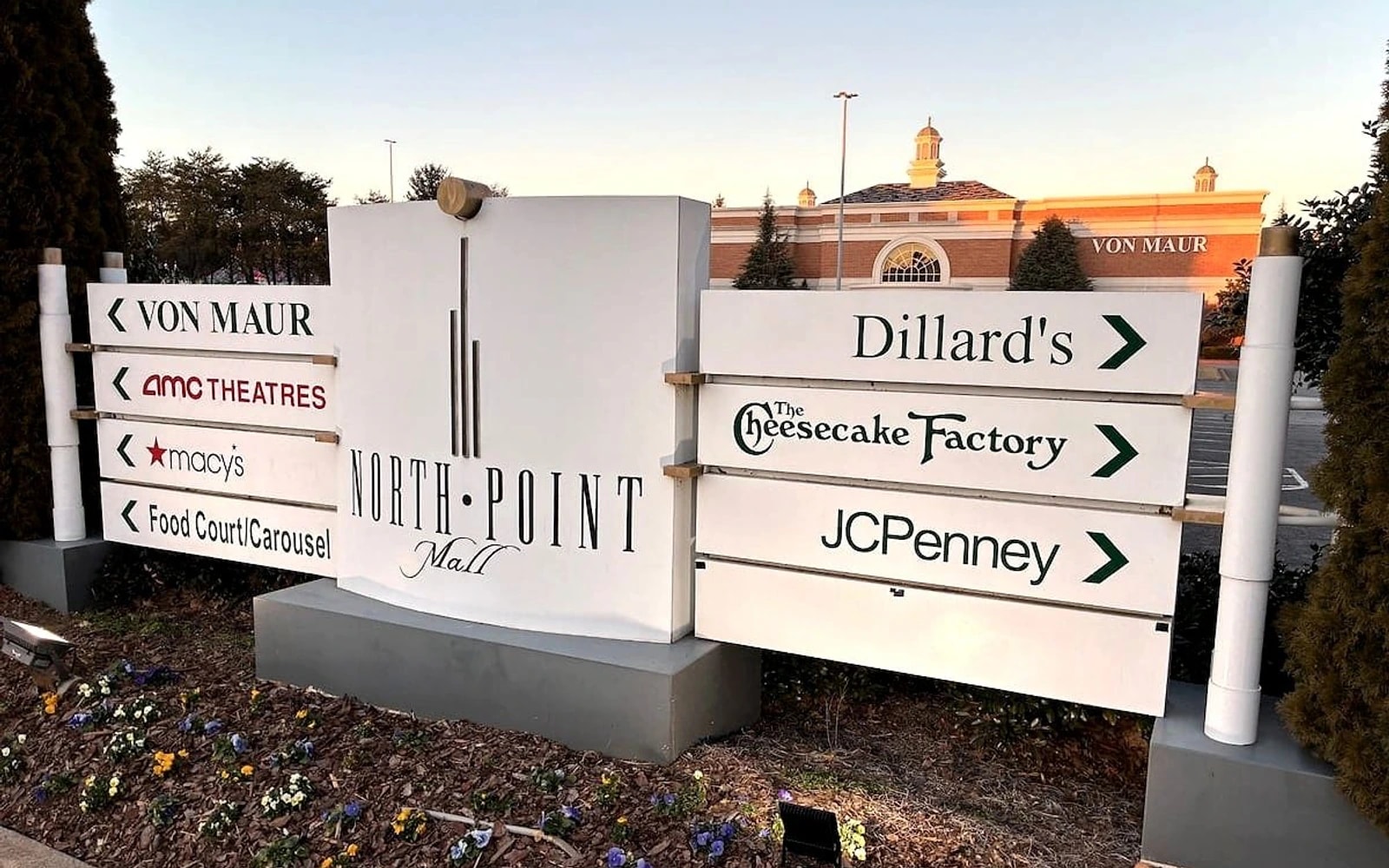
A revised North Point financing agreement would require more than an NHL franchise award: a signed arena lease with a non-relocation agreement for home games lasting at least as long as the longest bond. Fulton County’s participation and use of its tax growth for financing or related obligations would be contingent on those conditions.[1]
But the draft includes an exception. County tax-growth revenue could pay or reimburse eligible redevelopment costs incurred to secure a franchise before tax allocation bonds are issued. That is permission for a category of spending—not evidence of an actual payment. The exception is framed around bond issuance; it does not specify whether payment could precede the franchise award or signed lease.[1]
Another revision would put payments on hold if Alpharetta approves removing the NHL arena from the project. County increment would immediately stop until commissioners consider changing their consent terms. The earlier draft gave Fulton a right to reconsider those terms, but did not include that immediate suspension.[1][2]
The proposed agreement concerns North Point Mall’s redevelopment in Alpharetta, Georgia, which Jamestown estimates at $2.95 billion, combining an NHL arena with shops, dining, homes, offices and entertainment. Its financing mechanism is a tax allocation district, or TAD: taxes on the original property-value base continue going to the usual governments, while revenue from growth above that base is reserved for redevelopment. Creating the district does not itself raise the tax rate.[1]
The draft retains the $192.42 million cap we previously reported, measured in net county tax-growth payments over the agreement’s term. Specified refunds, returned increment and reimbursements would reduce that running total. Further payments would stop at the cap; increasing it would require approval from both City Council and Fulton commissioners.[1]
Getting an overpayment back would remain more limited than stopping future payments. Refunds could come only from district funds not pledged to bonds, committed to redevelopment costs or restricted by bond documents—not from Alpharetta’s general fund.[1]
The cap is not an upfront county check or the amount available to build the project. The city’s proposal still estimates $193.08 million–$260.67 million in financing from the participating governments’ revenues. Preliminary models would put $154.70 million–$221.87 million into the project fund. They assume full city and county participation plus half the school district’s increment; school participation is not secured, and the city says county consent is being sought before formally asking the schools. Final financing terms remain subject to negotiation and market conditions.[1]
County-supported bonds could mature no more than 25 years after issuance and could not extend beyond the agreement’s 30-year term. The proposed stay-put agreement would therefore be tied to the longest bond—not simply to the date the arena opens.[1]
A separate construction safeguard still would not necessarily require an arena groundbreaking. One route to meeting the Dec. 31, 2030 deadline is obtaining permits to demolish at least half the mall and spending 5% of that demolition cost. Missing the deadline would terminate county consent unless commissioners waive or extend it, subject to existing pledge provisions. Money already pledged to bonds, committed to eligible costs or needed for specified bond-related obligations would not automatically return to Fulton.[1]
The zoning condition remains separate: the owner must provide satisfactory written evidence of an NHL franchise awarded to the North Point site by Aug. 24, 2031. Without that notice, the property may instead develop under its preexisting August 2026 entitlements.[1]
These are proposed terms, not a confirmed deal. The unsigned agreement appears in the city’s Oct. 19 council packet, and staff recommends approval before county consideration. The reviewed records do not establish the outcome of the Oct. 19 city meeting, either government’s approval of these terms, or that the franchise and lease conditions have been met.[1]
Sources
3 official sources cited in this report. The bracketed numbers in the text link here.
Reporting history
Newest first. Articles reflect what was known at publication.