

Public records
Jail debt could claim annual post-TAD dollars—not the whole capital fund
The November 18 proposal would reserve recurring general-fund amounts for jail obligations while leaving returned tax increments available for facilities projects.
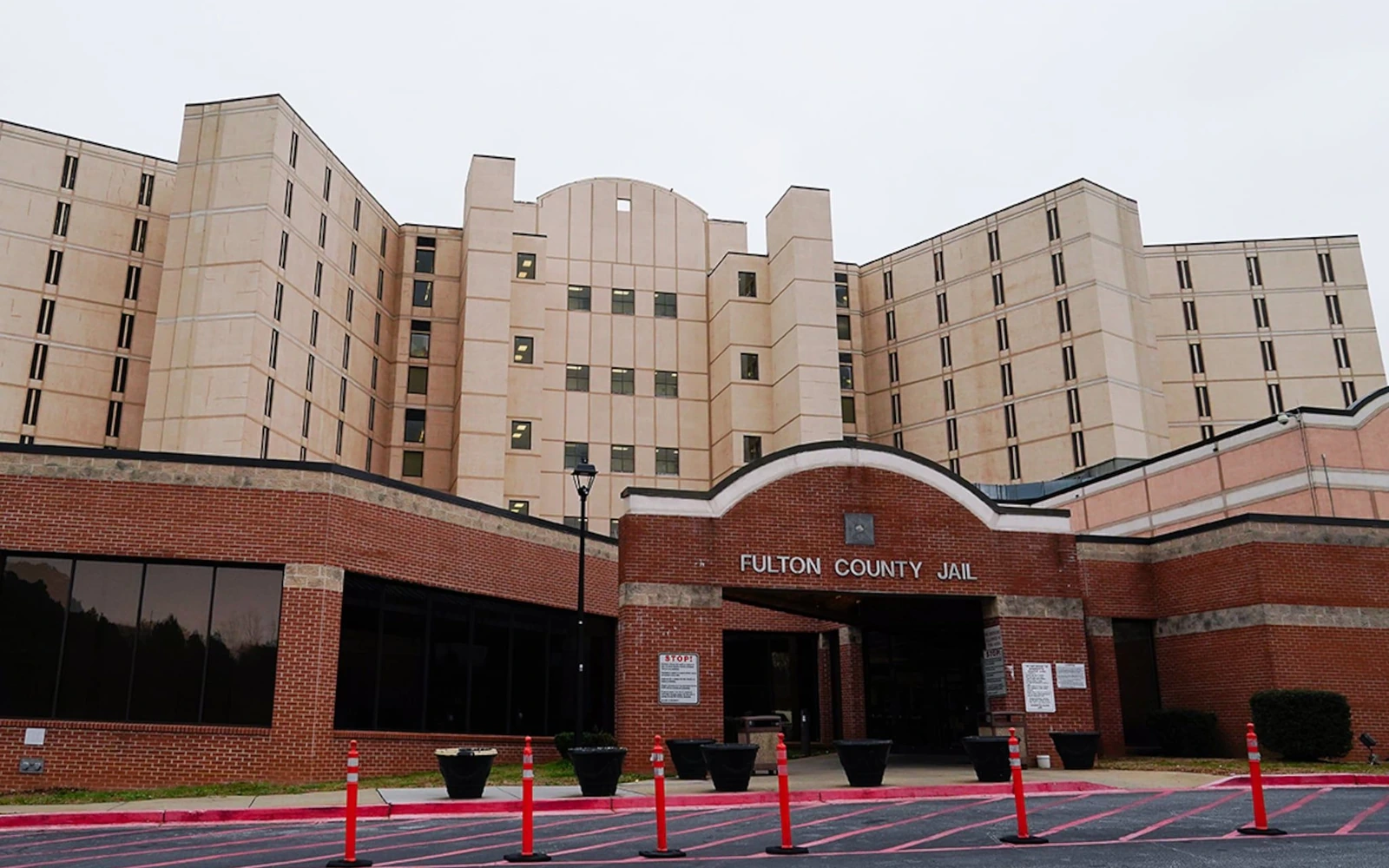
A recurring stream of Fulton County budget dollars would be reserved for jail debt under a proposal commissioners are scheduled to consider November 18. But the proposal would not dedicate the entire Multiyear Facilities Capital Projects Fund to jail repayment, despite the agenda’s broader description.[1][2]
The distinction is between two kinds of money associated with closed tax allocation districts, or TADs. The proposed resolution describes the existing fund as receiving both remaining tax increments returned when districts close and annual general-fund amounts equal to the county’s tax-increment contribution in its last year of participation.[2]
Commissioner Bob Ellis’ proposal would treat those sources differently beginning January 1, 2027. The annual amounts—called “increment equivalents”—would stay in the General Fund and be used solely for jail-improvement bond and intergovernmental-agreement obligations. Returned increments would continue going into the capital fund for county facilities projects. That operative language is narrower than the agenda’s description of directing “all monies” in the fund exclusively to jail obligations.[1][2]
Alongside that earmark, commissioners will consider a pricing resolution for the South Fulton Municipal Regional Jail Authority’s Series 2026 jail-improvement bonds. The draft describes a phased jail-facilities program with an authorized principal ceiling of $1.363 billion. That ceiling is not a completed sale amount.[1][3]
The attached pricing schedule still leaves the actual principal, interest rates, maturities and county payment schedule unfilled. It lists limits of 6% interest and $95 million in annual debt service, with final maturity no later than December 31, 2075, and no more than 50 years after issuance. Those are proposed financing boundaries, not the final annual bill.[3]
The county’s backing would extend beyond the earmarked dollars. The pricing resolution would pledge Fulton’s full faith, credit and taxing power, requiring an annual property-tax levy sufficient to make the payments, “unlimited as to rate or amount.” It also says that levy obligation would shrink to the extent other county revenues cover the payments. The proposal therefore provides a property-tax backstop, not a specified tax-rate increase.[3]
The accompanying June 18 draft contract also places the risk of insufficient project funding on the county: if bond proceeds do not cover a phase’s costs, Fulton would have to pay the remainder without a reduction in its contract payments. Neither the financing request nor the earmark is an approval; both are requests awaiting commissioners’ consideration.[1][4]
Sources
4 official sources cited in this report. The bracketed numbers in the text link here.