

Hearings Soon
When is a tall yard not a weed patch? Atlanta’s proposed rules draw the line
Native gardens could exceed 12 inches, while lawns would face a height cap. Street-visible naturescapes would need two signs of intentional care.
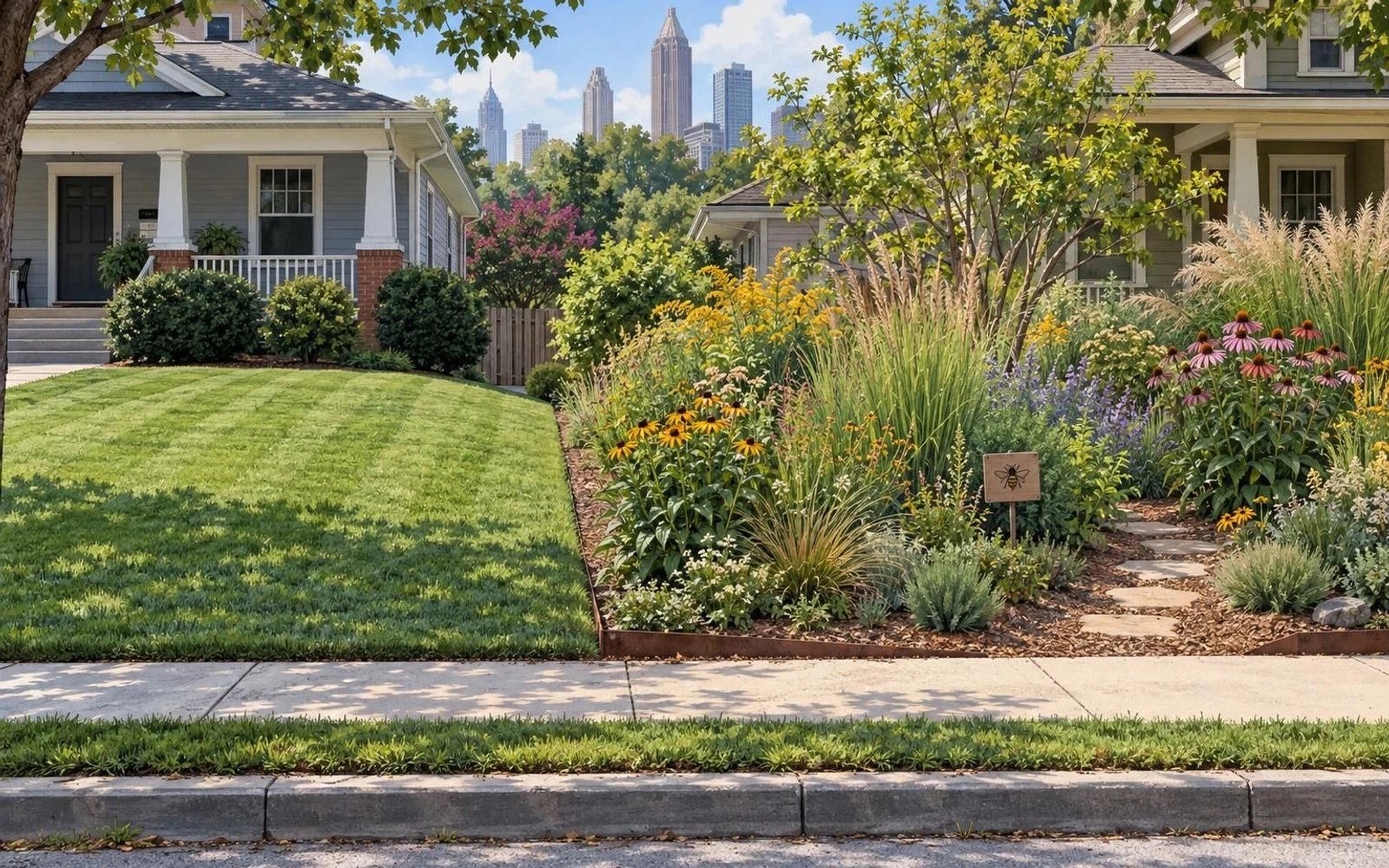
A native garden could grow taller than a foot—even much taller—under proposed Atlanta vegetation rules. The dividing line would be what is growing and how the area is managed, not height alone: the draft exempts naturescapes and natural areas from its 12-inch limit for turfgrass and weeds in lawns and maintained yards.[1]
Councilmember Jason Dozier’s ordinance, 26-O-1674, is listed for the Community Development/Human Services Committee’s November 24, 2026 meeting. The City Council referred it without objection on November 16—a referral, not approval of the proposed rules.[1][2]
This is not first-time recognition of natural gardening. Atlanta’s existing Housing Code already defines naturescapes as landscaping that uses predominantly native plants to improve wildlife habitat and reduce chemical use and watering. The proposal would spell out height exemptions and more detailed management standards.[1][3]
The draft expressly includes pollinator gardens, rain gardens, meadows and woodland plantings. Native plants and grasses in a naturescape could grow to any height, provided nuisance plants are excluded. But a naturescape visible from a public right-of-way would need at least two “cues of care”—visible indicators of intentional design or maintenance. The draft also treats street-visible natural areas on residential property as naturescapes.[1]
Those cues could include defined planting-bed edges, a mowed or mulched path, intentional plant groupings, selective weeding or pruning, or a sign identifying a native planting or wildlife habitat. In other words, a short lawn would not be the only way to show a landscape is being cared for.[1]
The exemptions would not permit blocked sidewalks, obstructed sight lines or vegetation that prevents emergency access to buildings. The invasive-plant provisions would require owners and occupants to prevent plants from establishing new growth on neighboring property through roots, runners or other non-seed spread. Branches merely crossing a property line, or seeds and pollen capable of reaching a neighbor, would not by themselves violate that provision. Invasive vines reaching branches in a healthy tree’s canopy would have to be removed or severed under the draft’s standards.[1]
A companion Housing Code change would make Chapter 158’s vegetation standards govern, rather than allowing the housing provisions to impose stricter height or removal requirements. It also says natural vegetation, leaf litter and deadwood in a natural area or naturescape would not, by themselves, constitute a violation of that housing section.[1]
Sources
3 official sources cited in this report. The bracketed numbers in the text link here.