

Decisions
Housing-code rewrite wins 14–0 vote without shutting out anonymous tips
The council-adopted ordinance spells out names and contact information for formal complaints, preserves inspections based on anonymous tips and sets a Jan. 1 effective date.
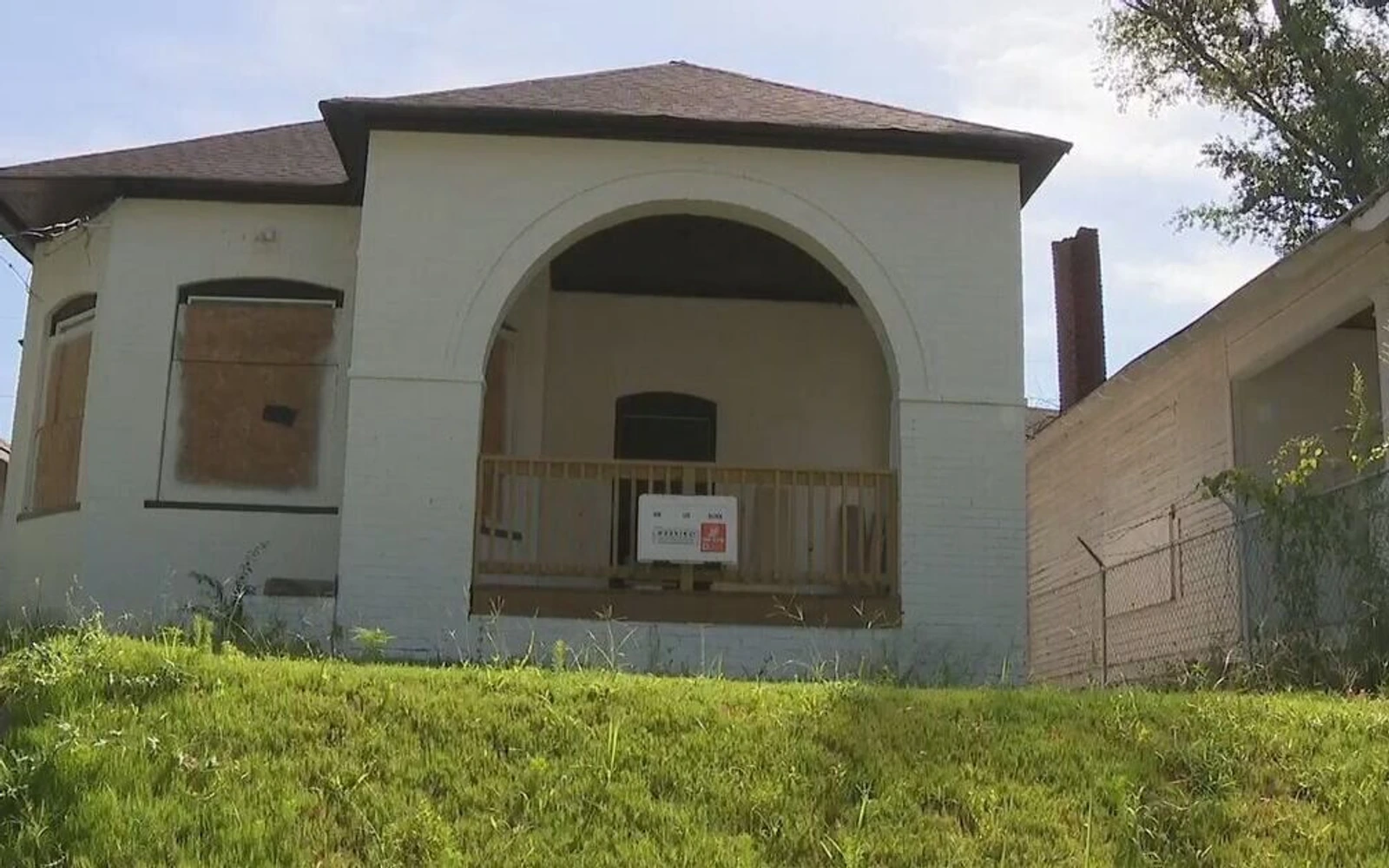
An anonymous housing-code tip could still trigger an inspection under rules the Atlanta City Council approved 14–0 on Nov. 16. The rewrite draws a distinction between information officials can investigate and reports the city records as formal complaints.[1][2]
The council-adopted version of Ordinance 26-O-1600 sets January 1, 2027, as its effective date, replacing the earlier draft’s provision for 90 days after approval. Council also voted to send the measure to the mayor immediately. Mayoral approval has not been confirmed in the records reviewed.[1][2][3]
To count as a complaint, a report would need the person’s name and at least one way to reach them: a mailing address, telephone number or email address. It must also specify the suspected violation and the dwelling’s location. The ordinance says the existing code already requires identification of the complaining party; the rewrite makes the contact requirements explicit.[2]
Anonymous reports would not be recorded as complaints. But the anonymous-report safeguard expressly says the rule must not prohibit or discourage anyone from reporting a suspected violation—or prevent officials from investigating or inspecting property based on information they know.[2]
The stated rationale is protection against harassment: the preamble cites councilmembers’ reports and concerns about anonymous complaints being used to intimidate homeowners, including seniors and longtime residents. Yet the operative identification rule is not limited to owner-occupied homes. The preamble also acknowledges that anonymous reports help identify unsafe conditions at rental, vacant and abandoned properties.[2]
The rewrite would also require officials to document what initiated each inspection or investigation and report annually to a council committee on anonymous reports received, investigated and resolved. Covered records would have to be kept for at least five years.[2]
We previously reported the October committee hold on the proposal. The Nov. 16 vote moves it beyond that delay while retaining the distinction between anonymous tips and formal complaints.[1][2]
Sources
3 official sources cited in this report. The bracketed numbers in the text link here.